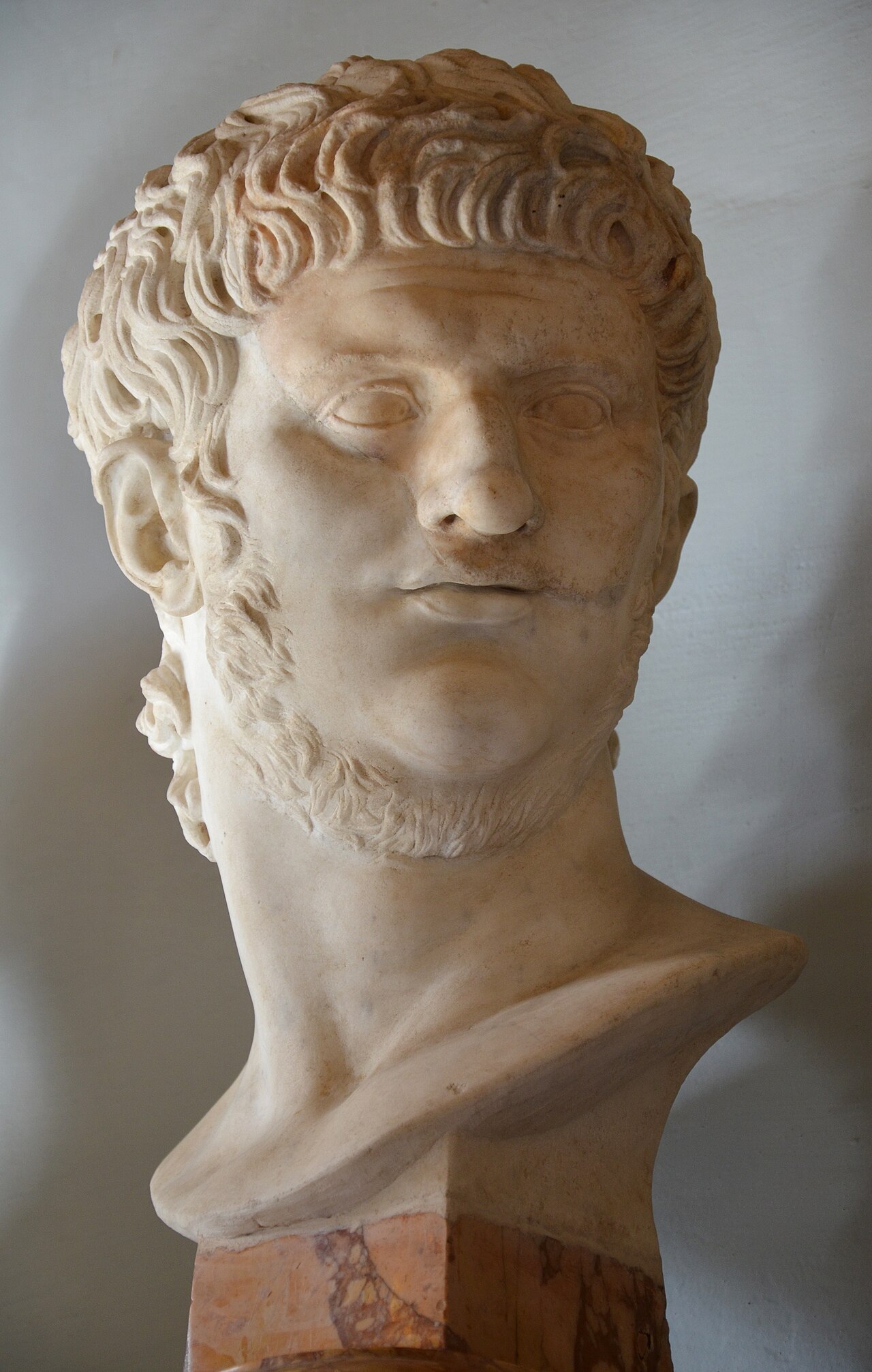
Portrait bust of Nero, Palatine Museum (Museo Palatino), Rome
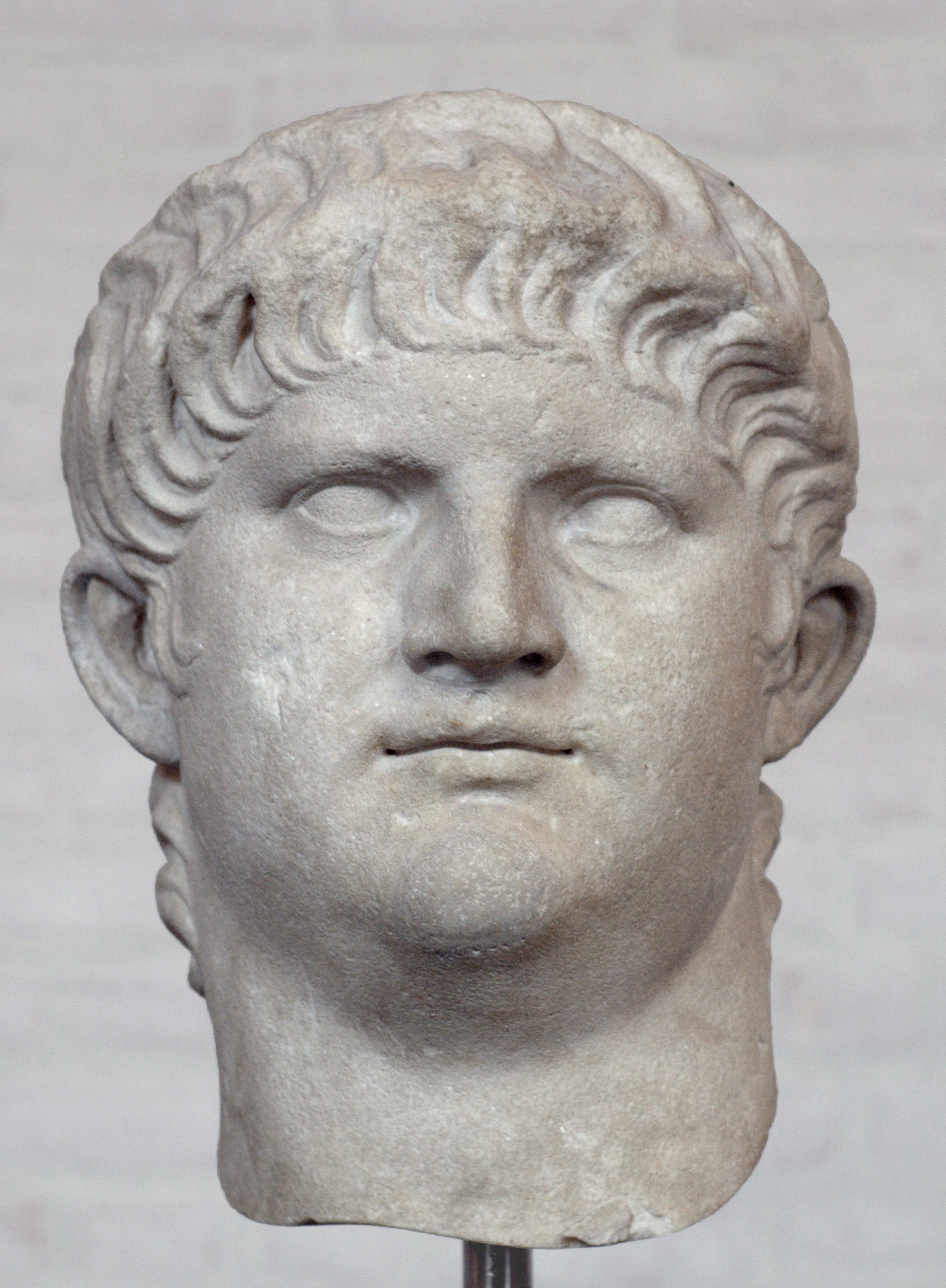
A lifetime or near-lifetime marble portrait showing the fleshy, round face, thick neck, and heavy jowls of the mature Nero. One of the best-preserved Neronian busts.
Was uns diese Quelle sagt
GesichtRound, fleshy, with heavy jowls and a double chin in later yearsBelegt
NaseStraight, somewhat broadBelegt
MundFull, fleshy lipsBelegt
Kiefer und KinnWeak chin beneath heavy jowls; double chin in later yearsBelegt
GesichtsbehaarungClean-shaven in the Roman imperial fashionBelegt
HalsThick, fleshy; a defining featureBelegt
Besondere MerkmaleThick neck; protruding belly; light blond curled hair; weak squinting eyes; the polished emerald ‘lens’ he used to watch gamesBelegt
AusdruckSelf-satisfied, somewhat petulant in the bustsAbgeleitet