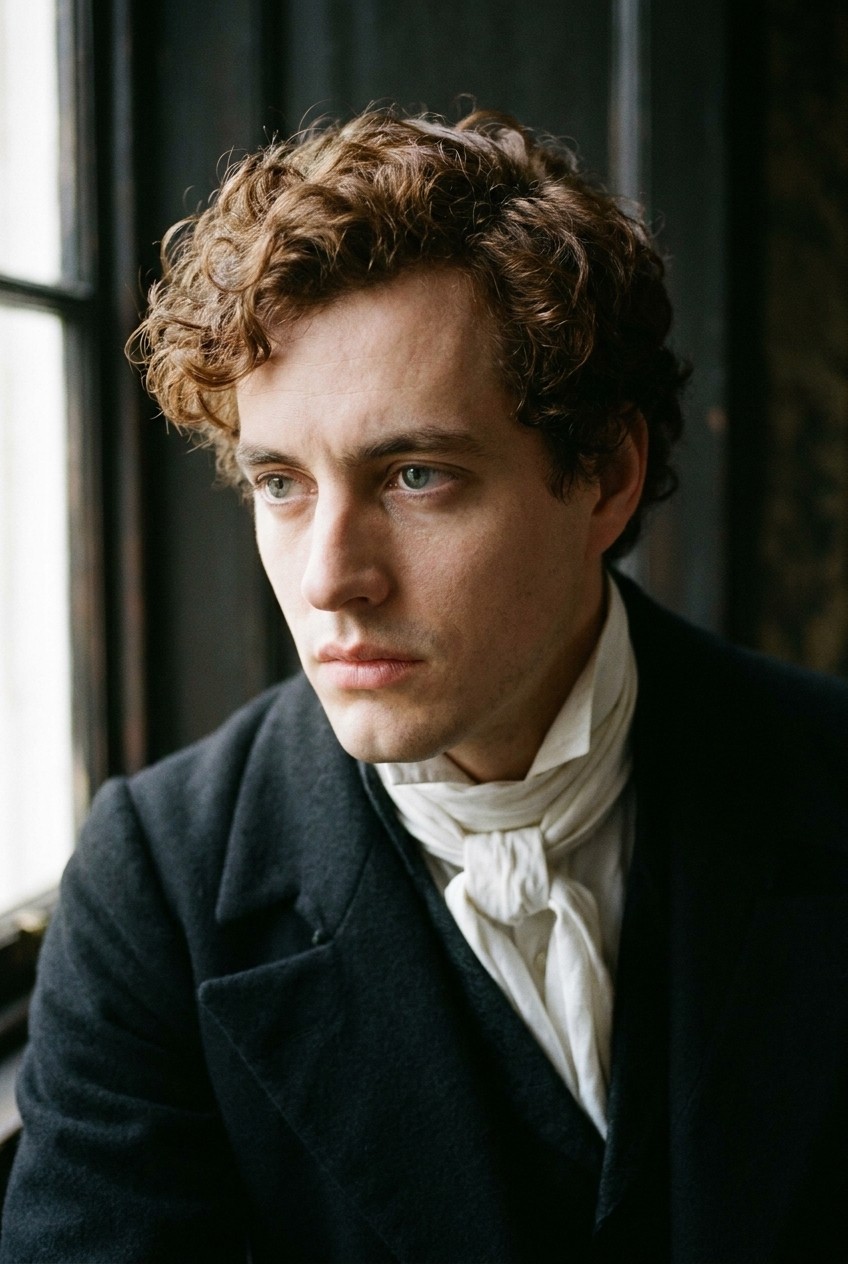
What Did Lord Byron Look Like? | The Faces of History โ€” AI reconstruction based on 3 historical sources
AI Reconstruction

Romantic era ยท 1788โ€“1824

Lord Byron

Evidence: Strong evidenceDepicted age: ~25

Reconstructed from

The poet who invented the celebrity. Painted from life by Thomas Phillips and Richard Westall, obsessively described by lovers and enemies alike, Byron was the most recognised face of his generation.

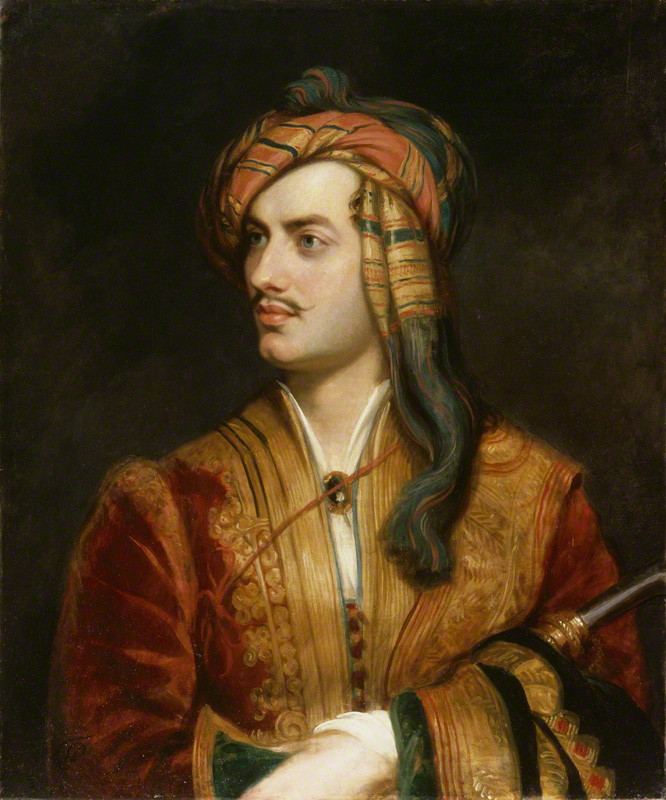
Lord Byron was, by every surviving account, almost unreasonably good-looking. His face launched a thousand poems and at least as many love affairs. Thomas Phillips painted him from life in 1813, producing the famous Albanian dress portrait that now hangs in the National Portrait Gallery. Richard Westall also painted him from life, and several other portraitists captured him during his years of peak celebrity in London.

The consistency across these portraits and the written record is strong. Byron had curly auburn-brown hair, grey eyes, a pale complexion, and a slightly cleft chin. His face was oval with fine, regular features. Lady Caroline Lamb, who knew him intimately, called him "mad, bad, and dangerous to know," a line that tells us more about his effect on people than his bone structure, but she and others also described him as "beautifully handsome."

What the portraits do not show is his club foot. Byron was born with a talipes equinovarus deformity of the right foot, which caused him a pronounced limp. He was deeply self-conscious about it and went to some lengths to conceal it in portraits and in person. His relationship with his own body was complicated in other ways too: he was vain about his face but struggled with his weight throughout his life, swinging between extreme thinness (achieved through punishing diets of vinegar and biscuits) and a heavier build that distressed him. At the time of the Phillips portrait he was lean and at the height of his beauty.


Physical Description

HeightAbout 5'8" (173 cm); tall enough to be considered well-proportioned, though his limp affected his carriageAttested
BuildFluctuated between slender and heavy throughout his life; at 25 (the depicted age) he was lean and fit through rigorous dieting and swimmingAttested
FaceOval, with regular and symmetrical features; widely described as classically handsomeAttested
ComplexionVery pale, almost marble-white; this pallor was considered part of his beautyAttested
EyesGrey, large, expressive; often described as his most captivating featureAttested
BrowWell-defined, slightly arched; a high forehead partially covered by curlsAttested
NoseStraight and well-proportioned; described as a fine, classic profileAttested
MouthFull, well-shaped lips; described as sensualAttested
Jaw & chinA slightly cleft chin; clean jawlineAttested
HairCurly auburn-brown (sometimes described as chestnut); worn long in the Romantic style, tumbling across his foreheadAttested
Facial hairClean-shaven in most portraits; occasionally shown with slight sideburnsAttested
Distinguishing featuresClub foot (right foot, talipes equinovarus), which caused a pronounced limp; cleft chin; the famous curls; an almost theatrical handsomeness that contemporaries found impossible to ignoreAttested
ExpressionBrooding, melancholic, self-consciously dramatic; he cultivated the look that would become the Byronic archetypeInferred

The Evidence

Compiled contemporary descriptions from Lady Caroline Lamb, John Cam Hobhouse, Teresa Guiccioli, Thomas Moore, and others, 1812โ€“1824

Byron's appearance was described in detail by lovers, friends, and rivals. Lady Caroline Lamb's "mad, bad, and dangerous to know" is the most famous line, but she and others also left precise physical descriptions. Hobhouse, Byron's closest friend, provides particularly reliable accounts.

โ€œLady Caroline Lamb on first seeing Byron at a ball (1812): "That beautiful pale face is my fate." She later described him as having a "beautifully handsome" face with grey eyes and auburn curls.โ€

What this source tells us

HeightAbout 5'8" (173 cm); tall enough to be considered well-proportioned, though his limp affected his carriageAttested
BuildFluctuated between slender and heavy throughout his life; at 25 (the depicted age) he was lean and fit through rigorous dieting and swimmingAttested
FaceOval, with regular and symmetrical features; widely described as classically handsomeAttested
ComplexionVery pale, almost marble-white; this pallor was considered part of his beautyAttested
EyesGrey, large, expressive; often described as his most captivating featureAttested
MouthFull, well-shaped lips; described as sensualAttested
Jaw & chinA slightly cleft chin; clean jawlineAttested
HairCurly auburn-brown (sometimes described as chestnut); worn long in the Romantic style, tumbling across his foreheadAttested
Distinguishing featuresClub foot (right foot, talipes equinovarus), which caused a pronounced limp; cleft chin; the famous curls; an almost theatrical handsomeness that contemporaries found impossible to ignoreAttested
ExpressionBrooding, melancholic, self-consciously dramatic; he cultivated the look that would become the Byronic archetypeInferred
Thomas Phillips, Portrait of Lord Byron in Albanian Dress, 1813, oil on canvas, National Portrait Gallery, London

Thomas Phillips, Public domain, via Wikimedia Commons

Thomas Phillips, Portrait of Lord Byron in Albanian Dress, 1813, oil on canvas, National Portrait Gallery, London

The most famous portrait of Byron, painted from life when he was 25. Byron sat for Phillips wearing the Albanian costume he had acquired during his Grand Tour. This is the defining image of the Romantic poet.

What this source tells us

BuildFluctuated between slender and heavy throughout his life; at 25 (the depicted age) he was lean and fit through rigorous dieting and swimmingAttested
FaceOval, with regular and symmetrical features; widely described as classically handsomeAttested
EyesGrey, large, expressive; often described as his most captivating featureAttested
BrowWell-defined, slightly arched; a high forehead partially covered by curlsAttested
NoseStraight and well-proportioned; described as a fine, classic profileAttested
MouthFull, well-shaped lips; described as sensualAttested
Jaw & chinA slightly cleft chin; clean jawlineAttested
HairCurly auburn-brown (sometimes described as chestnut); worn long in the Romantic style, tumbling across his foreheadAttested
Facial hairClean-shaven in most portraits; occasionally shown with slight sideburnsAttested
Distinguishing featuresClub foot (right foot, talipes equinovarus), which caused a pronounced limp; cleft chin; the famous curls; an almost theatrical handsomeness that contemporaries found impossible to ignoreAttested
ExpressionBrooding, melancholic, self-consciously dramatic; he cultivated the look that would become the Byronic archetypeInferred
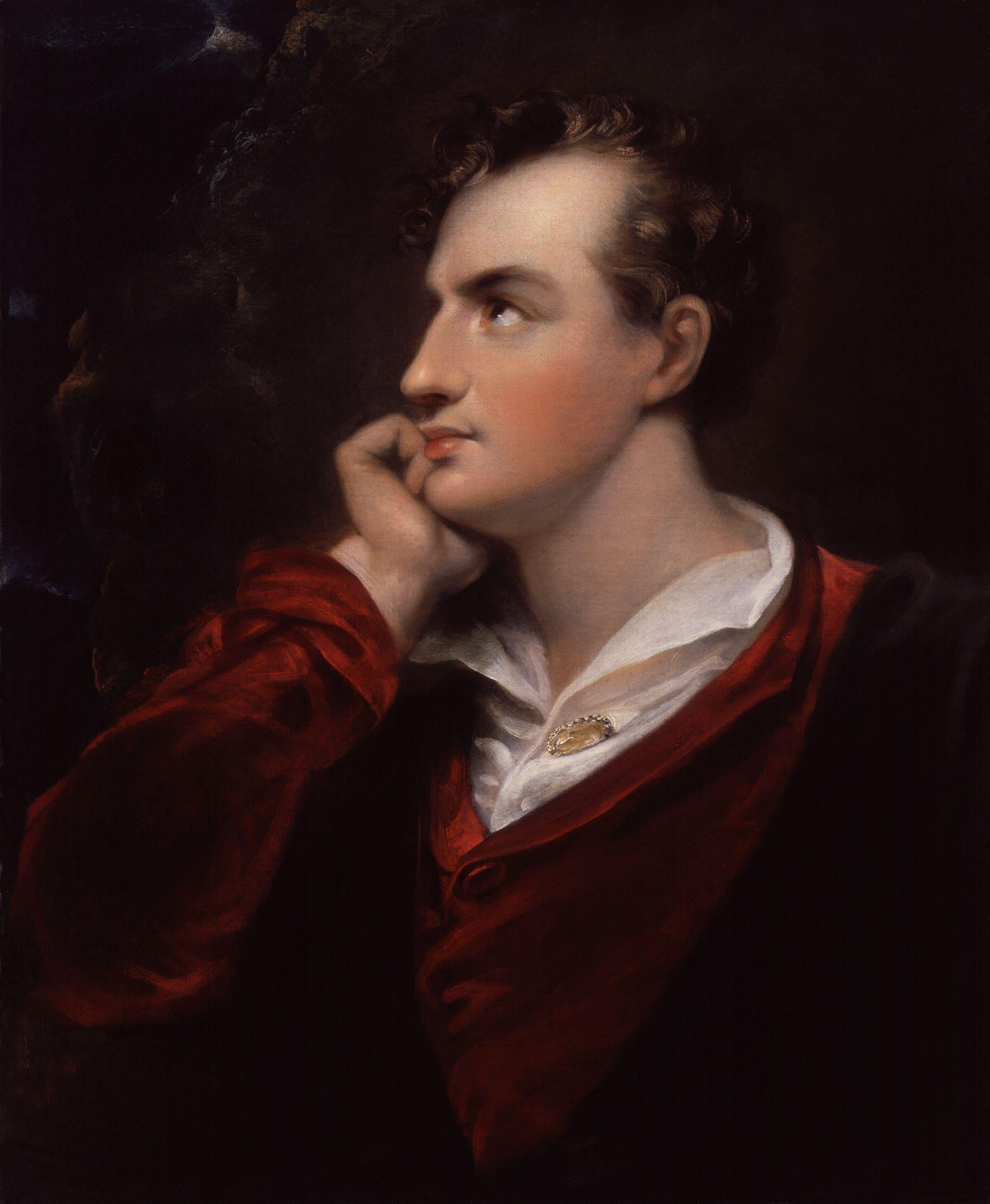
Richard Westall, Portrait of Lord Byron, c. 1813, oil on canvas, National Portrait Gallery, London

Richard Westall, Public domain, via Wikimedia Commons

Richard Westall, Portrait of Lord Byron, c. 1813, oil on canvas, National Portrait Gallery, London

Another lifetime portrait by a leading painter. Westall's depiction is more conventionally posed than Phillips's but confirms the same facial features: oval face, curly auburn hair, grey eyes, cleft chin.

What this source tells us

FaceOval, with regular and symmetrical features; widely described as classically handsomeAttested
BrowWell-defined, slightly arched; a high forehead partially covered by curlsAttested
NoseStraight and well-proportioned; described as a fine, classic profileAttested
HairCurly auburn-brown (sometimes described as chestnut); worn long in the Romantic style, tumbling across his foreheadAttested
Facial hairClean-shaven in most portraits; occasionally shown with slight sideburnsAttested

Where sources conflict

Hair colour is described variously as auburn, chestnut, and dark brown. The truth is likely a warm brown that appeared more reddish in certain light. Surviving hair samples are dark brown.

Eye colour: most sources say grey, a few say blue-grey or hazel. Grey is the consensus across the major portraits.