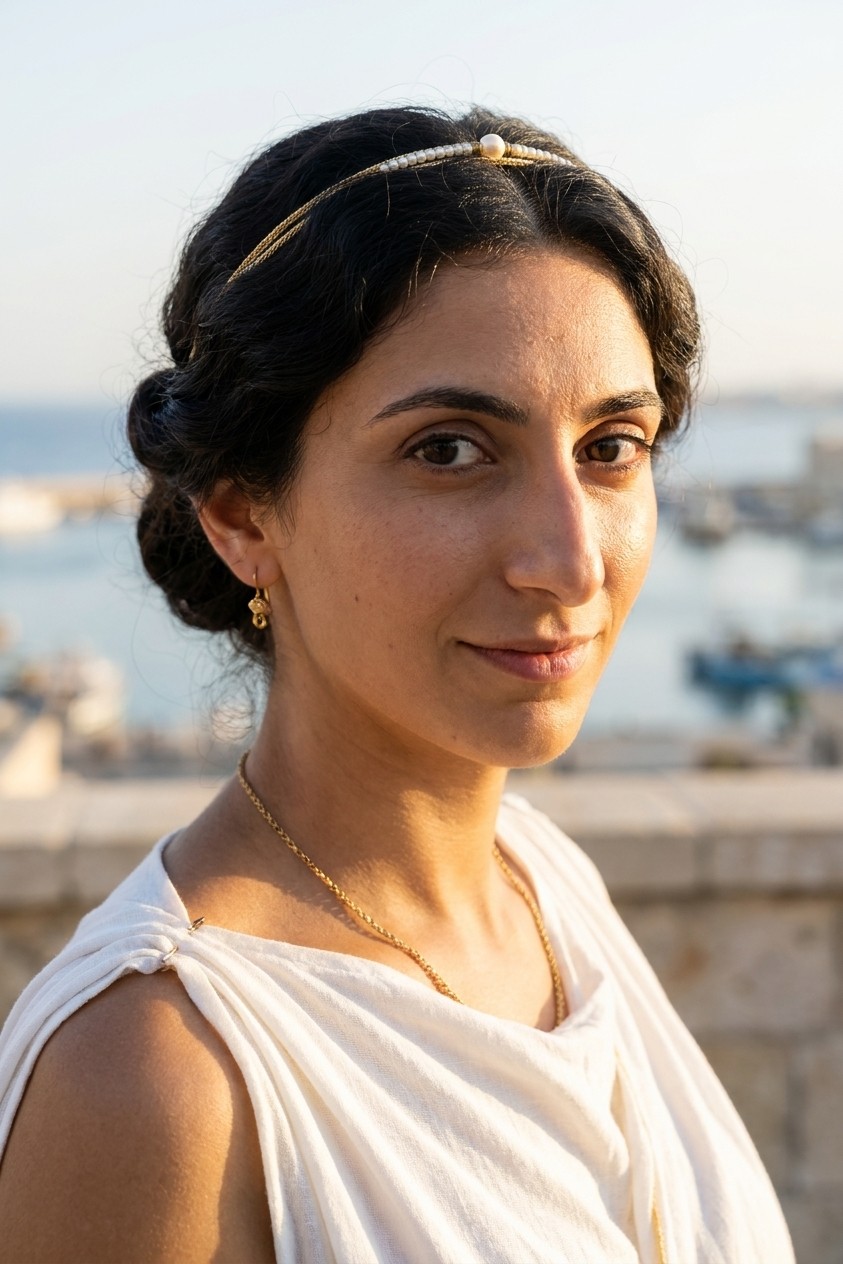
Como era Cleopatra VII Philopator? | Os Rostos da História — AI reconstruction based on 5 historical sources
Reconstrução com IA

Ptolemaic Egypt · 69–30 BCE

Cleopatra VII Philopator

Confiança: Confiança médiaIdade representada: ~28

Reconstruído a partir de

Last active pharaoh of Egypt. Plutarch says her beauty was not the point; her voice, wit, and presence were. The coins, struck in her lifetime, show an aquiline nose and strong chin.

What did Cleopatra really look like? The popular image of Cleopatra as a great beauty is contradicted by the best surviving evidence. Plutarch, writing about a century after her death, says her appearance "was in itself not altogether incomparable." Her real power was her voice, her multilingualism, her conversational charm. Her tongue, he writes, was "like an instrument of many strings."

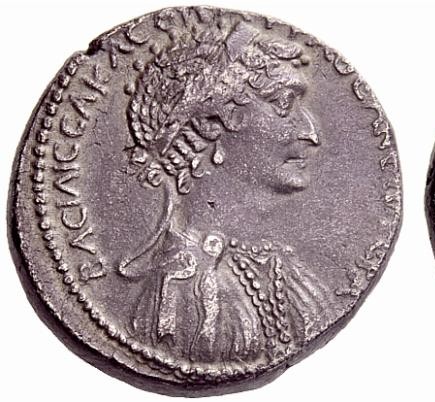
Three sets of lifetime coins, struck at mints in Antioch, Ascalon, and alongside Mark Antony, show the same woman: prominent aquiline nose, strong pointed chin, hair worn in the Ptolemaic "melon" coiffure with a royal diadem. Not the features Hollywood casts. The Berlin bust, a probable but debated identification, adds large eyes and a long slender neck. The face across these sources is angular and striking, not conventionally beautiful by Hellenistic standards.

Cleopatra's ethnicity is clear in the historical record: the Ptolemaic dynasty was Macedonian-Greek, and her traceable ancestors were of that descent. Her skin colour is not recorded in any ancient source. A Mediterranean olive complexion is inferred from ancestry, not evidence. Her eye colour, height, and build are unknown. The coins show only her head, and no ancient writer describes her body.


Descrição física

RostoStrong, defined features; not conventionally beautiful by Greek standards but commandingAtestado
NarizProminent, aquiline, hooked — the defining feature of her coin portraitsAtestado
Mandíbula e queixoStrong, pointed chin projecting forwardAtestado
BocaThin lips, slightly downturned or neutralAtestado
SobrancelhasLow, straight brow with a strong bridge connecting to the noseAtestado
CabeloWorn in the ‘melon’ coiffure (sections pulled back into a bun at the nape), sometimes with a royal diademAtestado
CrânioProportionate; forehead partially obscured by the melon hairstyle and diademInferido
PescoçoLong, slender neckAtestado
OlhosLarge; no colour recordedInferido
TezNot recorded. Macedonian-Greek descent suggests a Mediterranean olive complexion, but no ancient source describes itInferido
CompleiçãoNot described in surviving sourcesInferido
ExpressãoComposed, authoritative; the coin portraits project deliberate regality rather than beautyInferido
Traços distintivosThe aquiline nose and strong chin are the signature features; her voice, multilingualism, and conversational charm were what contemporaries remarked on, not her looksAtestado

A Evidência

Silver tetradrachm, Antioch mint, c. 36 BCE (Cleopatra obverse, Antony reverse)

Silver tetradrachm, Antioch mint, c. 36 BCE (Cleopatra obverse, Antony reverse)

Lifetime issue showing Cleopatra’s profile with aquiline nose, strong chin, and melon hairstyle with royal diadem. The highest-relief portrait of her face.

Ver fonte

O que esta fonte nos diz

RostoStrong, defined features; not conventionally beautiful by Greek standards but commandingAtestado
NarizProminent, aquiline, hooked — the defining feature of her coin portraitsAtestado
Mandíbula e queixoStrong, pointed chin projecting forwardAtestado
BocaThin lips, slightly downturned or neutralAtestado
SobrancelhasLow, straight brow with a strong bridge connecting to the noseAtestado
CabeloWorn in the ‘melon’ coiffure (sections pulled back into a bun at the nape), sometimes with a royal diademAtestado
CrânioProportionate; forehead partially obscured by the melon hairstyle and diademInferido
ExpressãoComposed, authoritative; the coin portraits project deliberate regality rather than beautyInferido
Traços distintivosThe aquiline nose and strong chin are the signature features; her voice, multilingualism, and conversational charm were what contemporaries remarked on, not her looksAtestado
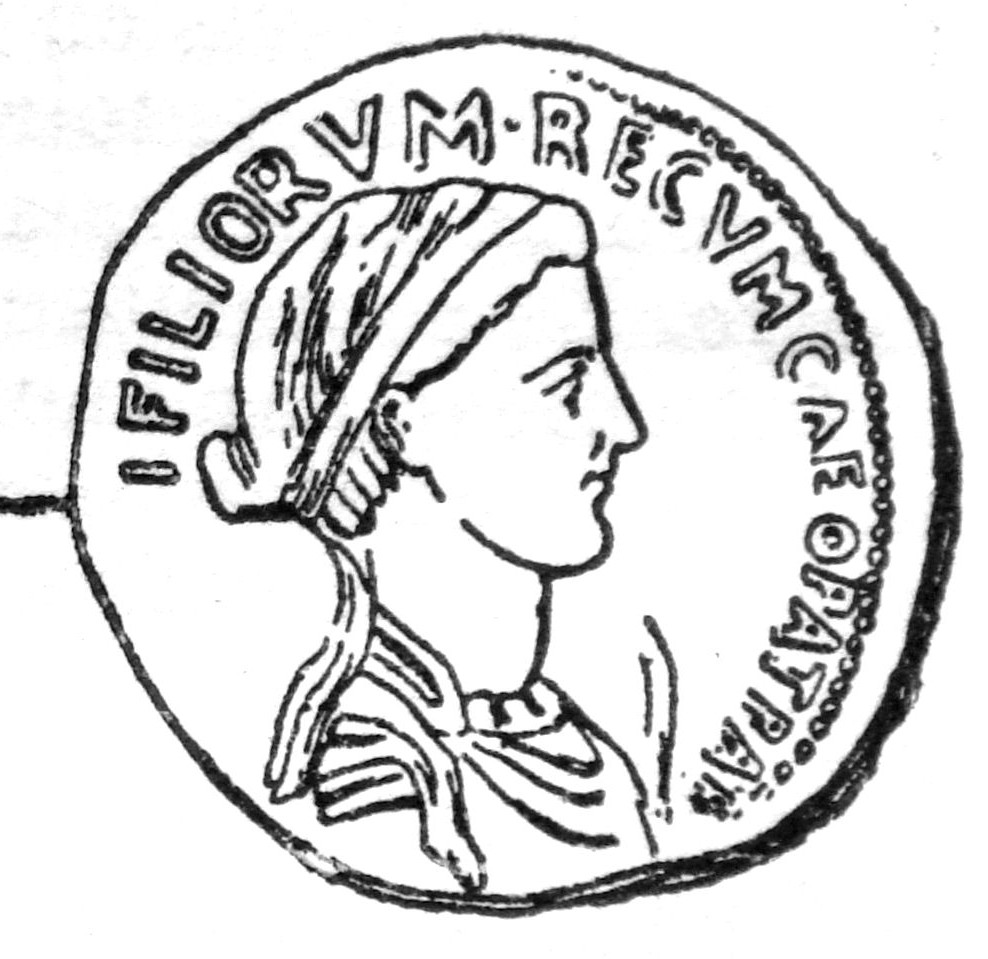
Silver denarius, c. 34 BCE (Antony obverse, Cleopatra reverse)

Silver denarius, c. 34 BCE (Antony obverse, Cleopatra reverse)

Joint coinage of Antony and Cleopatra. Her profile on the reverse shows the same aquiline nose and pointed chin. Roman denomination, likely struck for Antony’s legions.

Ver fonte

O que esta fonte nos diz

NarizProminent, aquiline, hooked — the defining feature of her coin portraitsAtestado
Mandíbula e queixoStrong, pointed chin projecting forwardAtestado
PescoçoLong, slender neckAtestado
Traços distintivosThe aquiline nose and strong chin are the signature features; her voice, multilingualism, and conversational charm were what contemporaries remarked on, not her looksAtestado
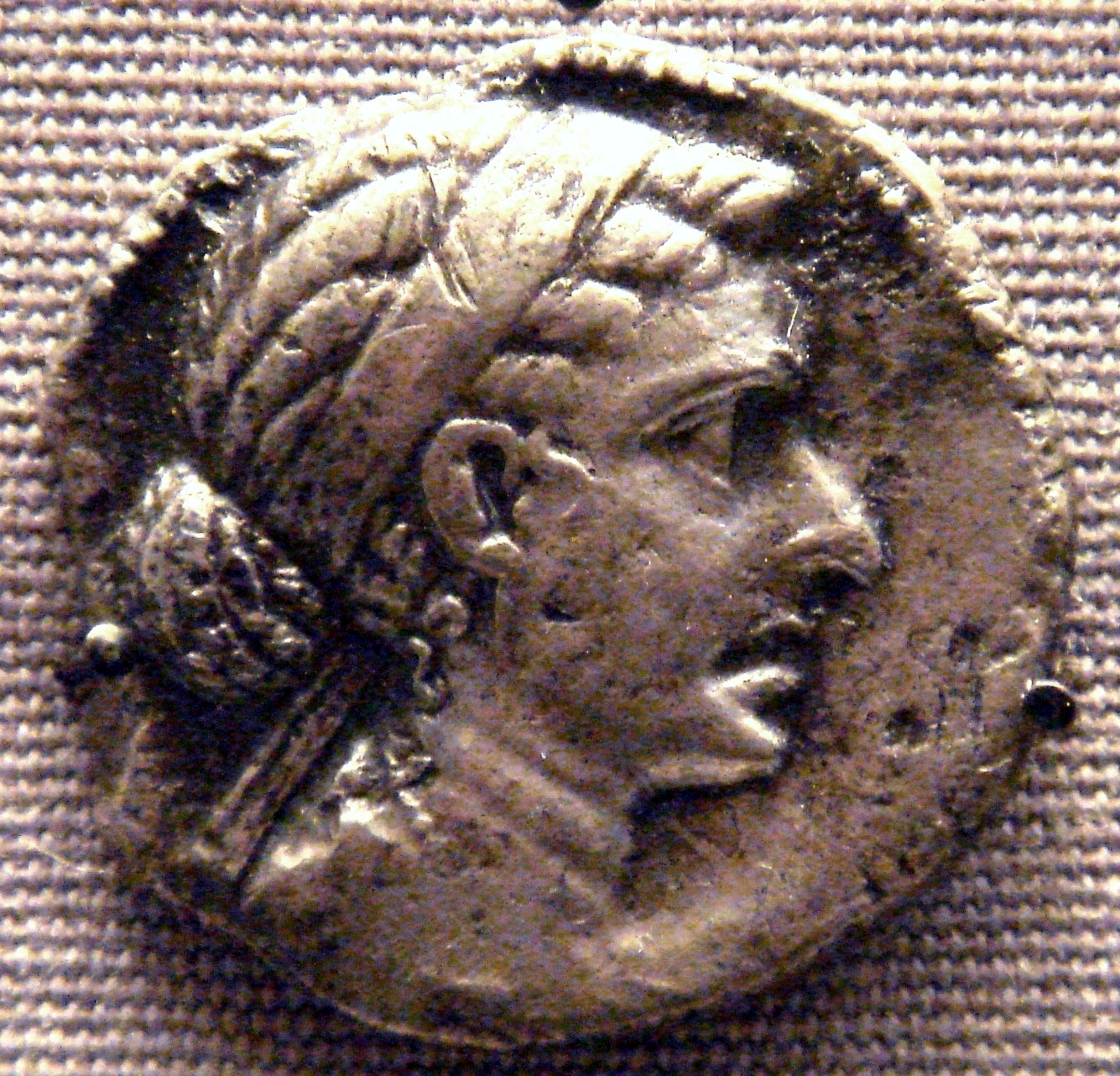
Silver tetradrachm, Ascalon mint, c. 49–30 BCE

Silver tetradrachm, Ascalon mint, c. 49–30 BCE

Solo portrait of Cleopatra from a different mint, confirming the aquiline nose and strong chin are consistent across issues.

Ver fonte

O que esta fonte nos diz

NarizProminent, aquiline, hooked — the defining feature of her coin portraitsAtestado
Mandíbula e queixoStrong, pointed chin projecting forwardAtestado
CabeloWorn in the ‘melon’ coiffure (sections pulled back into a bun at the nape), sometimes with a royal diademAtestado

Plutarch, Life of Antony 27

Ver fonte

For her beauty, as we are told, was in itself not altogether incomparable, nor such as to strike those who saw her; but converse with her had an irresistible charm, and her presence, combined with the persuasiveness of her discourse and the character which was somehow diffused about her behaviour towards others, had something stimulating about it. There was sweetness also in the tones of her voice; and her tongue, like an instrument of many strings, she could readily turn to whatever language she pleased.

Bernadotte Perrin, Loeb Classical Library, 1920

O que esta fonte nos diz

RostoStrong, defined features; not conventionally beautiful by Greek standards but commandingAtestado
Traços distintivosThe aquiline nose and strong chin are the signature features; her voice, multilingualism, and conversational charm were what contemporaries remarked on, not her looksAtestado
Marble bust, Altes Museum, Berlin (Antikensammlung)

Marble bust, Altes Museum, Berlin (Antikensammlung)

Identified as Cleopatra VII on stylistic and iconographic grounds (melon coiffure, royal diadem). The identification is probable but not universally accepted. Shows a woman with a strong nose, full face, and large eyes.

Ver fonte

O que esta fonte nos diz

SobrancelhasLow, straight brow with a strong bridge connecting to the noseAtestado
CabeloWorn in the ‘melon’ coiffure (sections pulled back into a bun at the nape), sometimes with a royal diademAtestado
PescoçoLong, slender neckAtestado
OlhosLarge; no colour recordedInferido

Onde as fontes se contradizem

The popular image of Cleopatra as an extraordinary beauty conflicts directly with Plutarch, who says her looks were ‘not altogether incomparable’ and that her real power was her voice, conversation, and character. The lifetime coins reinforce Plutarch: they show a woman with strong, angular features — striking but not conventionally beautiful by Hellenistic standards.

Ethnicity is debated in popular culture but the historical record is clear: the Ptolemaic dynasty was Macedonian-Greek. Cleopatra’s mother is not securely identified, which leaves a narrow window of uncertainty, but her father, grandfather, and most traceable ancestors were Macedonian-Greek. No ancient source comments on her appearing ethnically different from her dynasty.