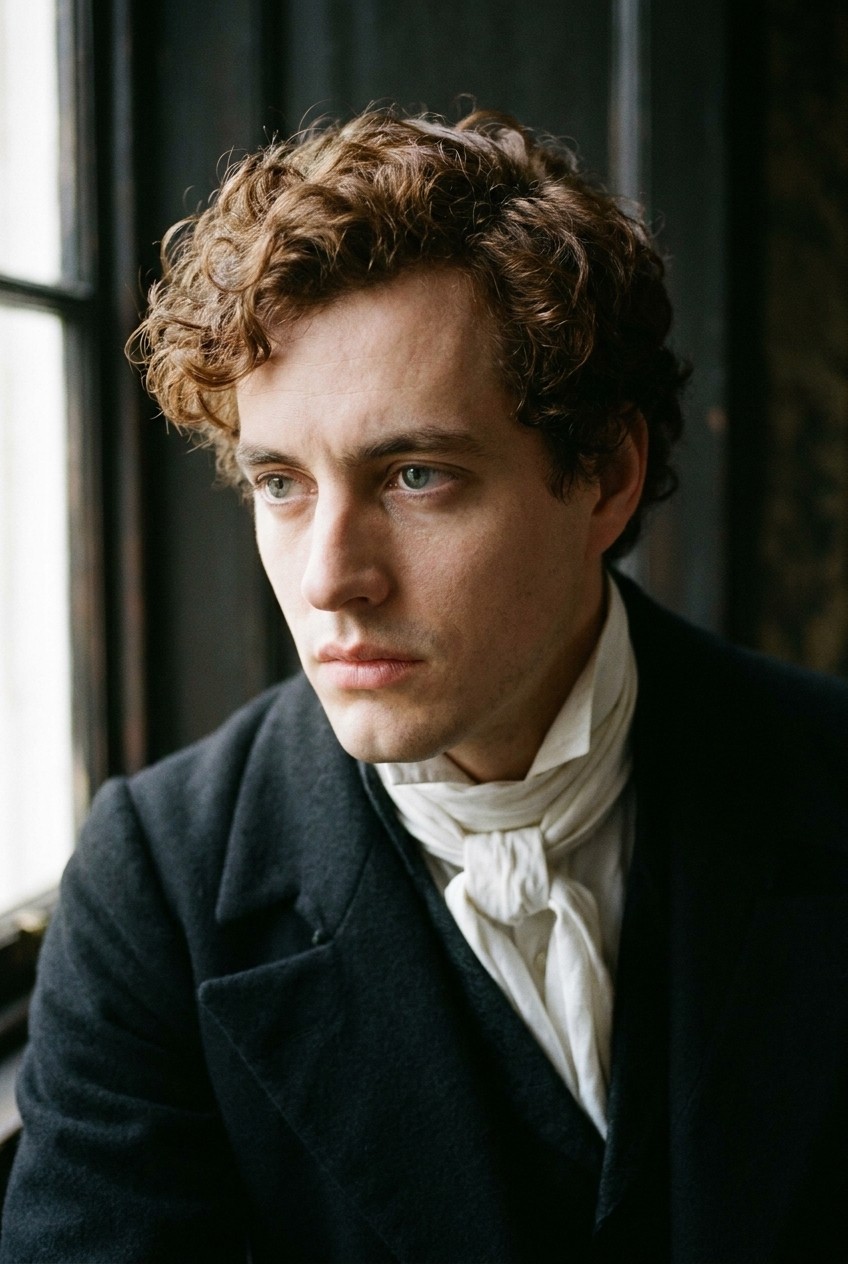
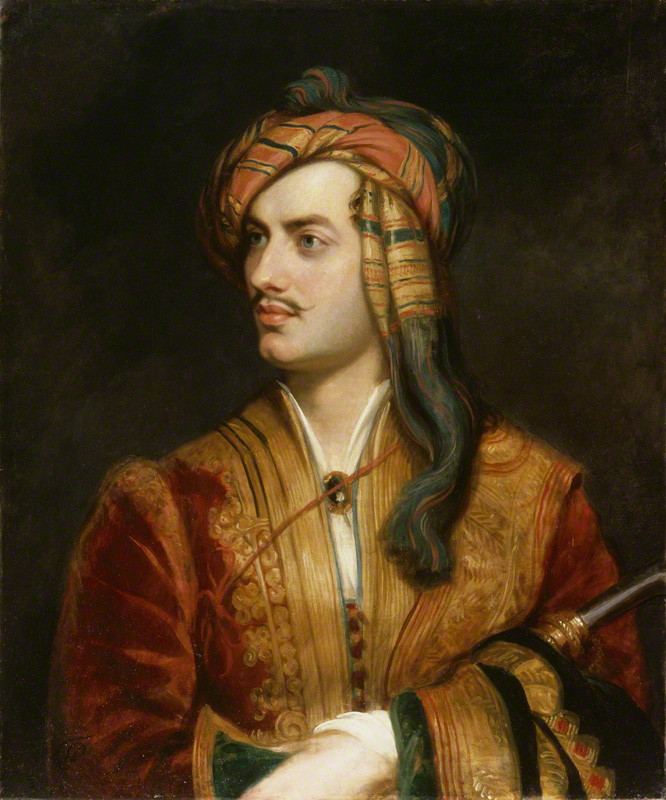
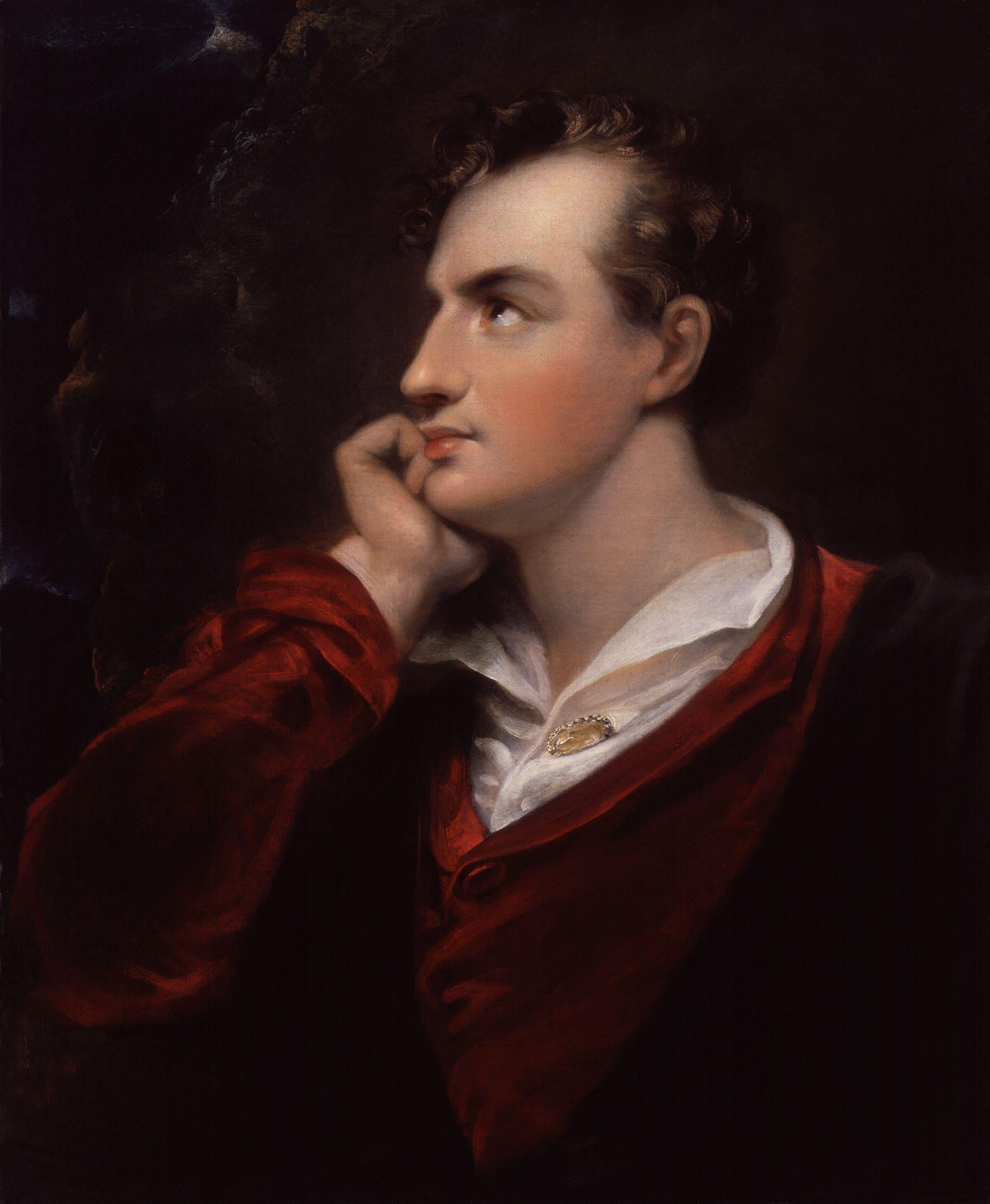
Compiled contemporary descriptions from Lady Caroline Lamb, John Cam Hobhouse, Teresa Guiccioli, Thomas Moore, and others, 1812–1824
Byron's appearance was described in detail by lovers, friends, and rivals. Lady Caroline Lamb's "mad, bad, and dangerous to know" is the most famous line, but she and others also left precise physical descriptions. Hobhouse, Byron's closest friend, provides particularly reliable accounts.
“Lady Caroline Lamb on first seeing Byron at a ball (1812): "That beautiful pale face is my fate." She later described him as having a "beautifully handsome" face with grey eyes and auburn curls.”
这个资料告诉我们什么
身高About 5'8" (173 cm); tall enough to be considered well-proportioned, though his limp affected his carriage有记载
体格Fluctuated between slender and heavy throughout his life; at 25 (the depicted age) he was lean and fit through rigorous dieting and swimming有记载
面部Oval, with regular and symmetrical features; widely described as classically handsome有记载
肤色Very pale, almost marble-white; this pallor was considered part of his beauty有记载
眼睛Grey, large, expressive; often described as his most captivating feature有记载
嘴Full, well-shaped lips; described as sensual有记载
下颌与下巴A slightly cleft chin; clean jawline有记载
头发Curly auburn-brown (sometimes described as chestnut); worn long in the Romantic style, tumbling across his forehead有记载
显著特征Club foot (right foot, talipes equinovarus), which caused a pronounced limp; cleft chin; the famous curls; an almost theatrical handsomeness that contemporaries found impossible to ignore有记载
表情Brooding, melancholic, self-consciously dramatic; he cultivated the look that would become the Byronic archetype推断