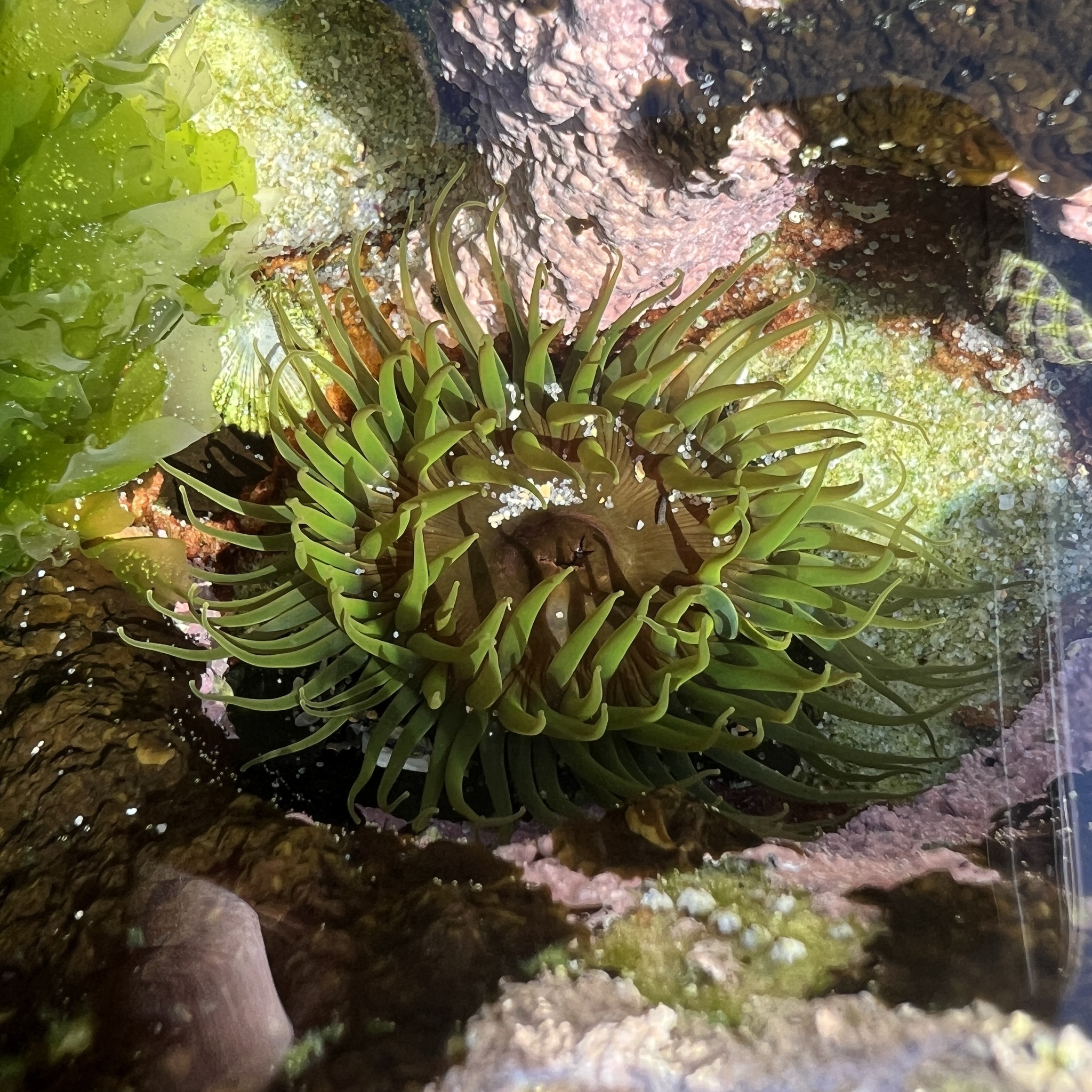
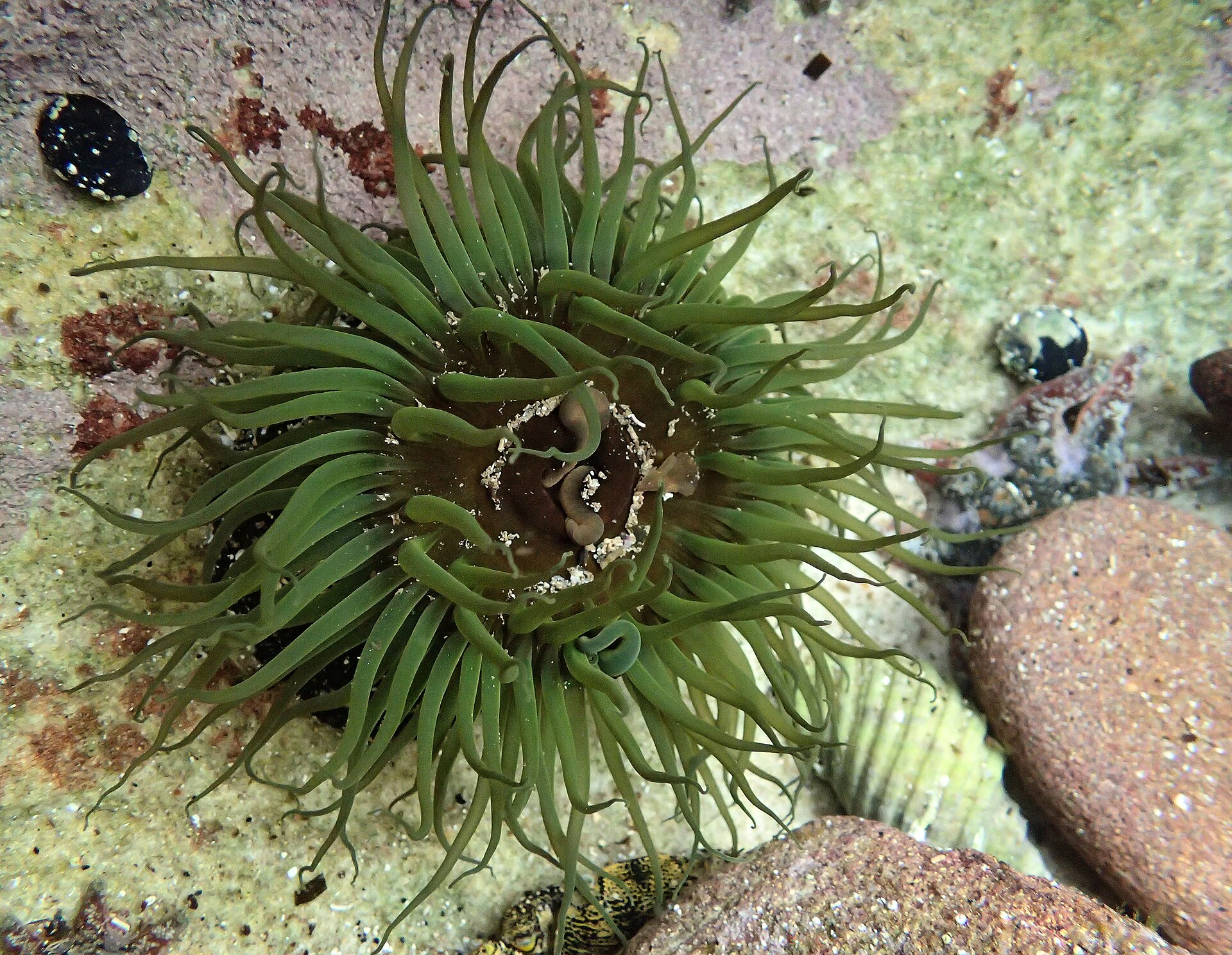
Its tentacles writhe in the water like a head of snakes, which is where the name comes from. Each one is part of a trap for the small animals the tide brings in.
The design is astonishingly old. Tiny fossils from the very first stage of the Cambrian, which began about 539 million years ago, may be early relatives of today's sea anemones and corals. Half a millimetre long, they already had 18 tentacles and a body plan like modern anemones' and corals'. That was before there were fish in the sea, or anything at all living on land.
Half a billion years on, the plan still works. The tide coming in now is feeding it the same way.