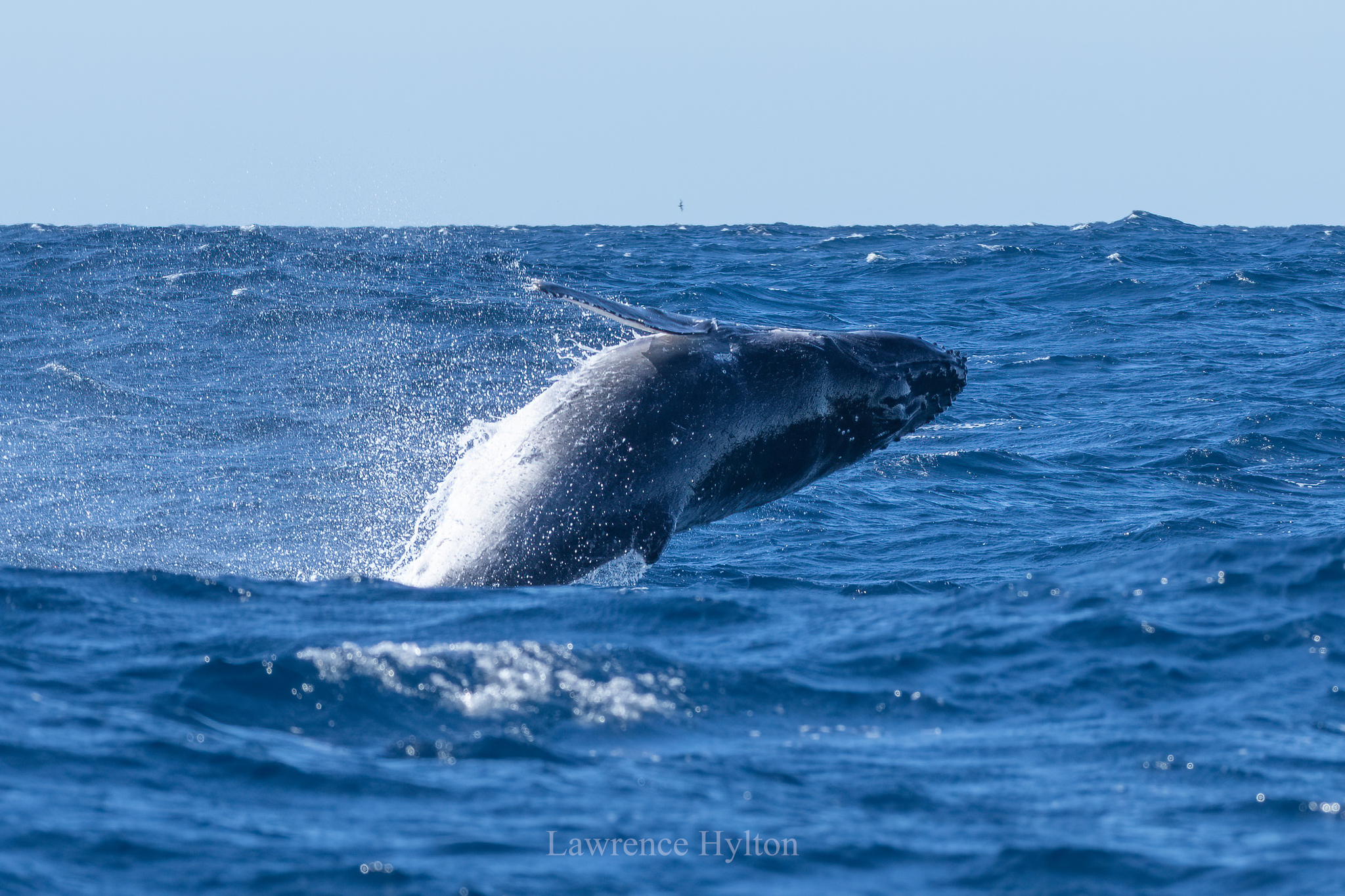
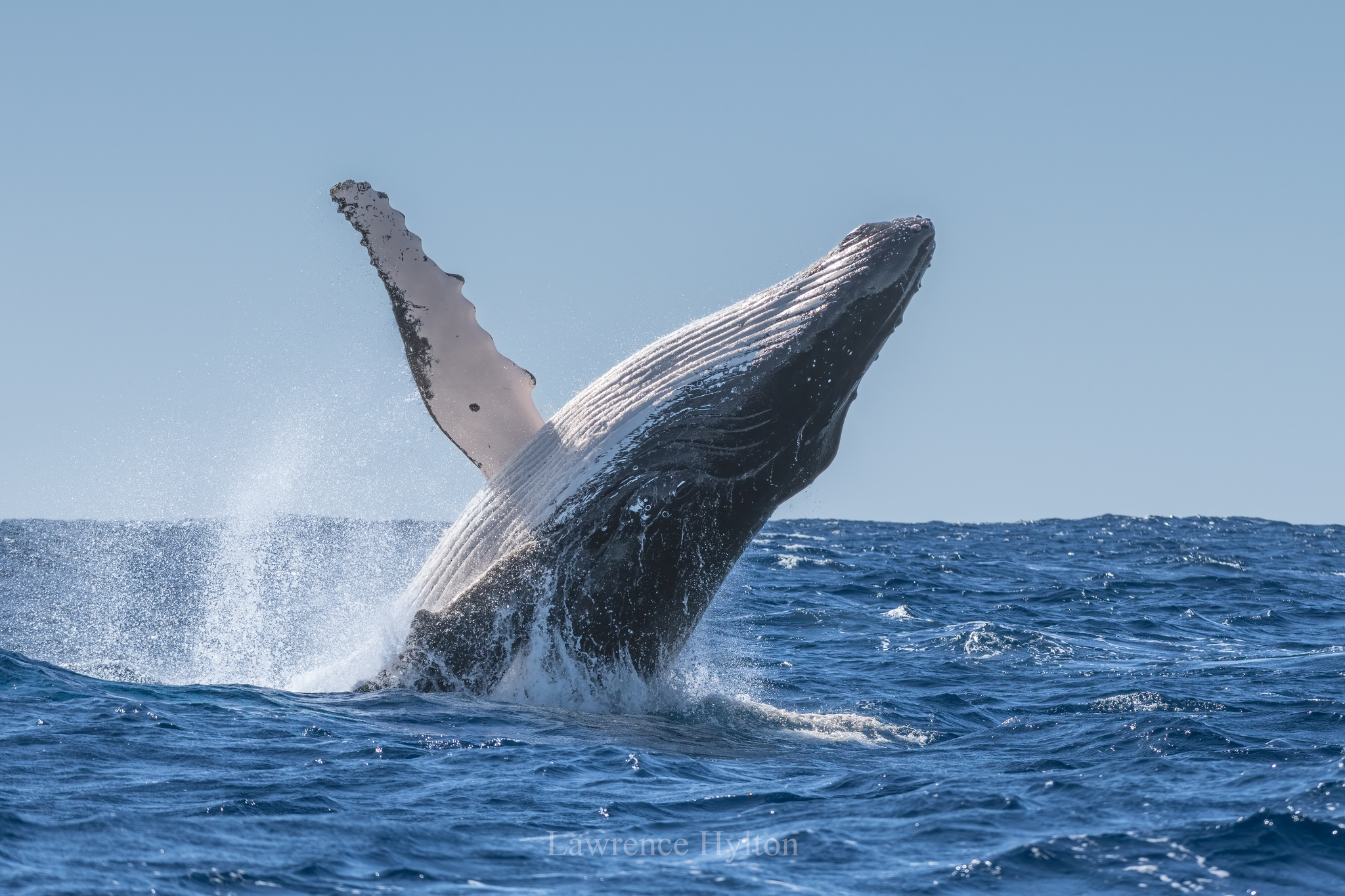
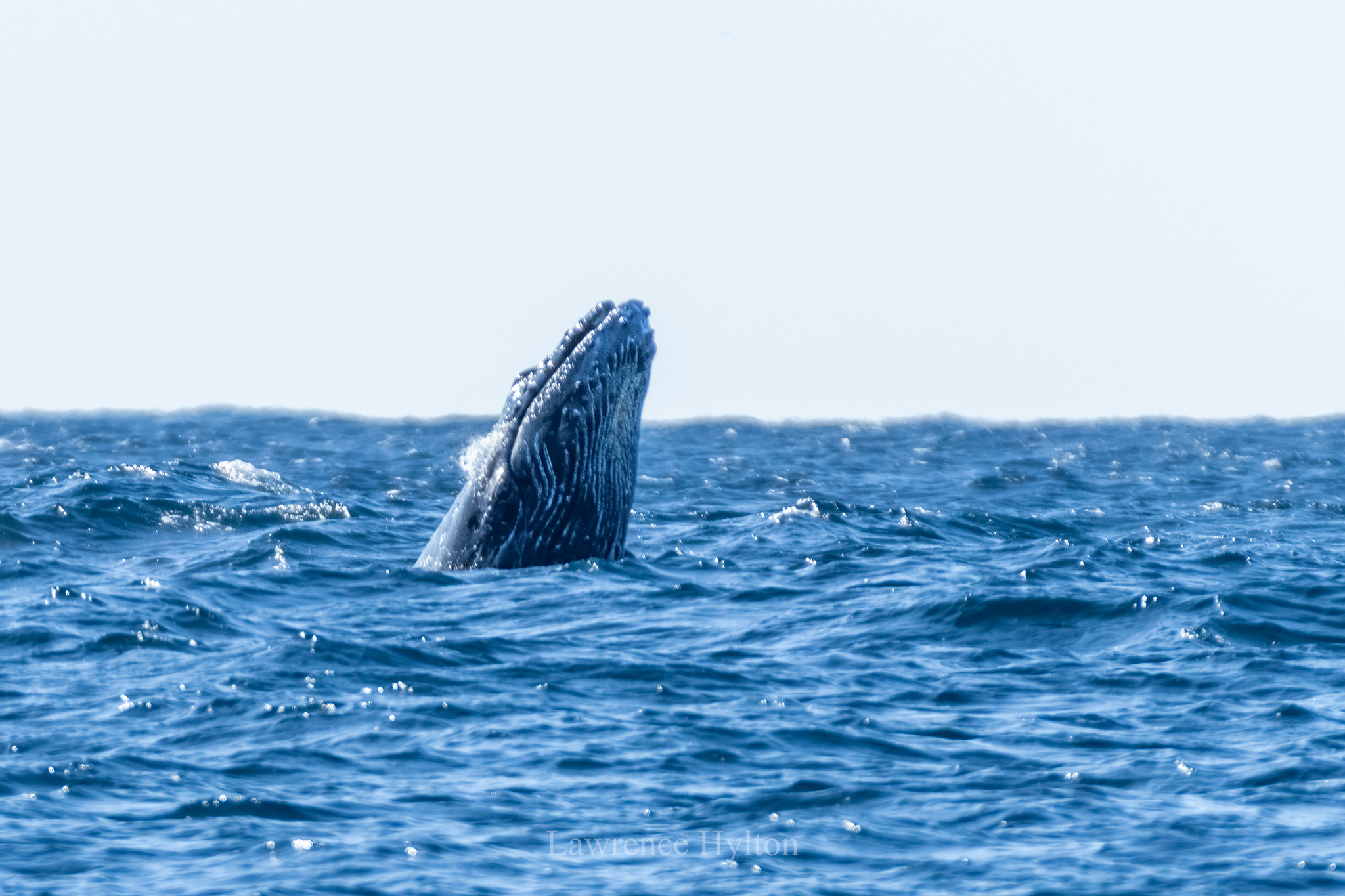
The calf beside her was born in warm northern water, and for good reason. A newborn humpback doesn't have the thick fat layer adults have. Born in Antarctic water, it wouldn't survive. So it has spent its first weeks in the warm, building up its insulation on its mother's very rich milk.
Now they're heading south. Mothers with newborn calves are the last to leave the breeding grounds, so many of the last whales of the season off our coast are pairs like this one.
Whales weren't always built for the cold sea. About 50 million years ago, their ancestors lived on land, and early relatives such as Pakicetus had four legs. Over millions of years their descendants went back into the water, and about 34 million years ago one group began to develop a new way of eating. They became the baleen whales.
The calf is on its first trip south. The fat keeping it warm was made from its mother's milk.