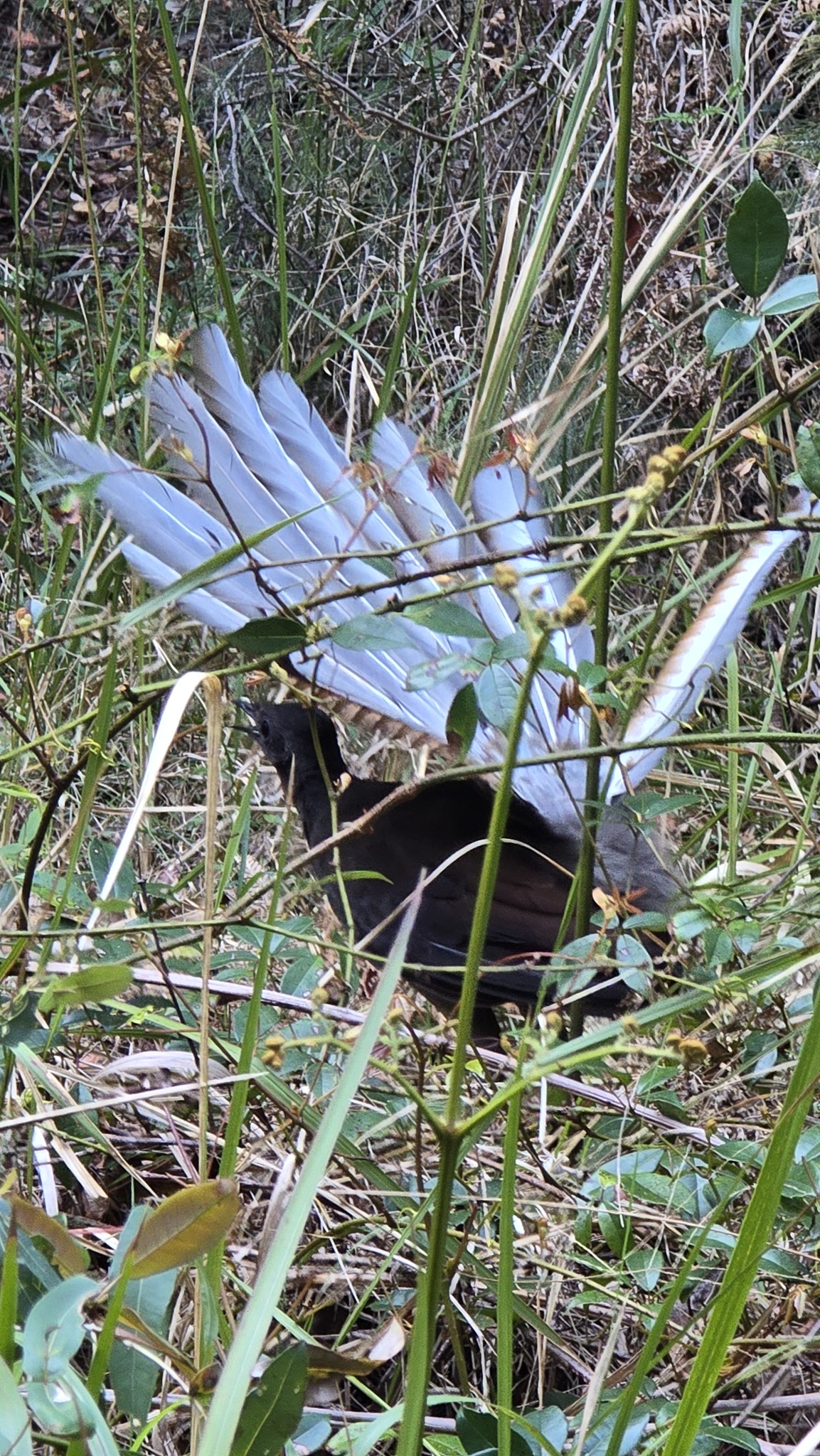
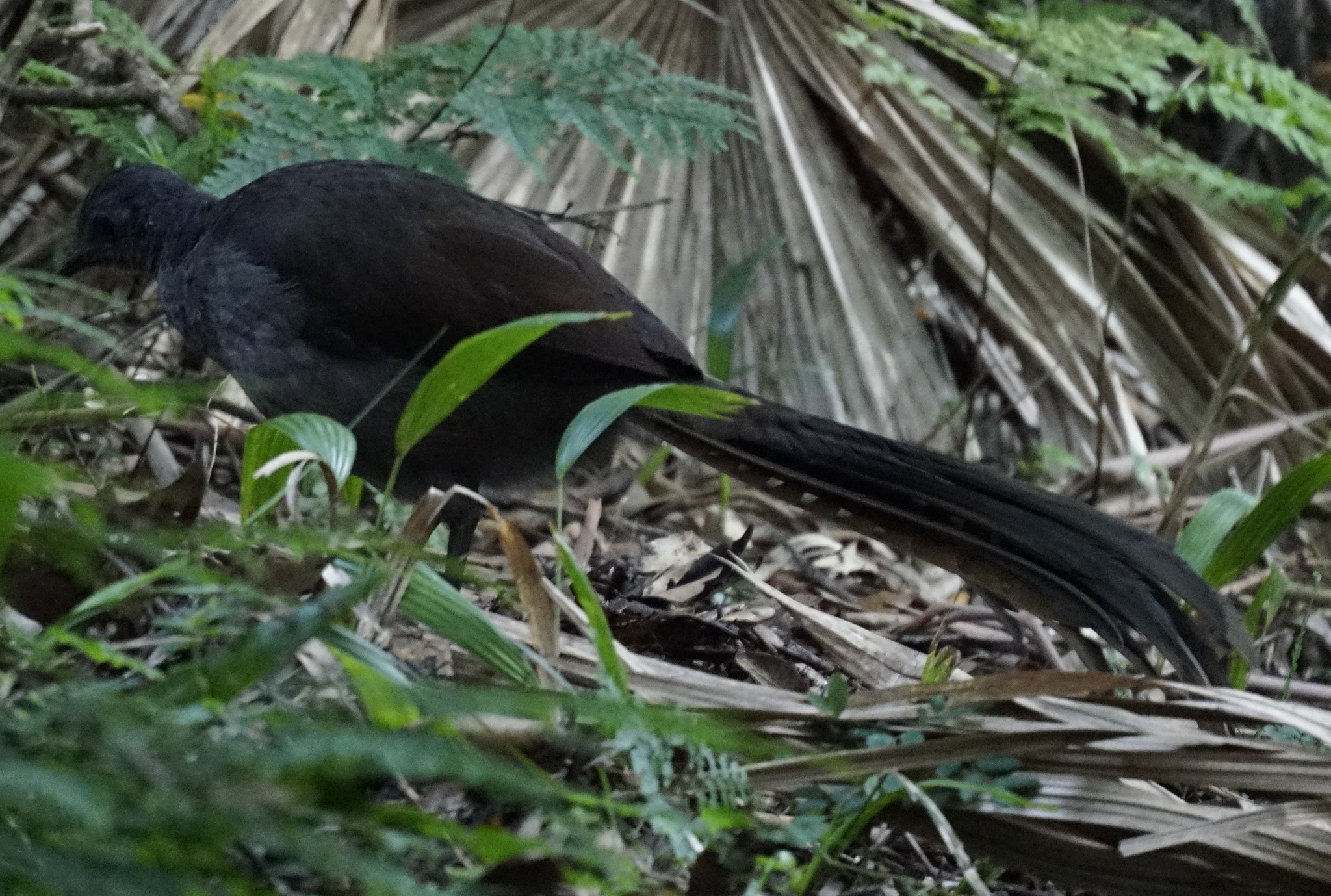
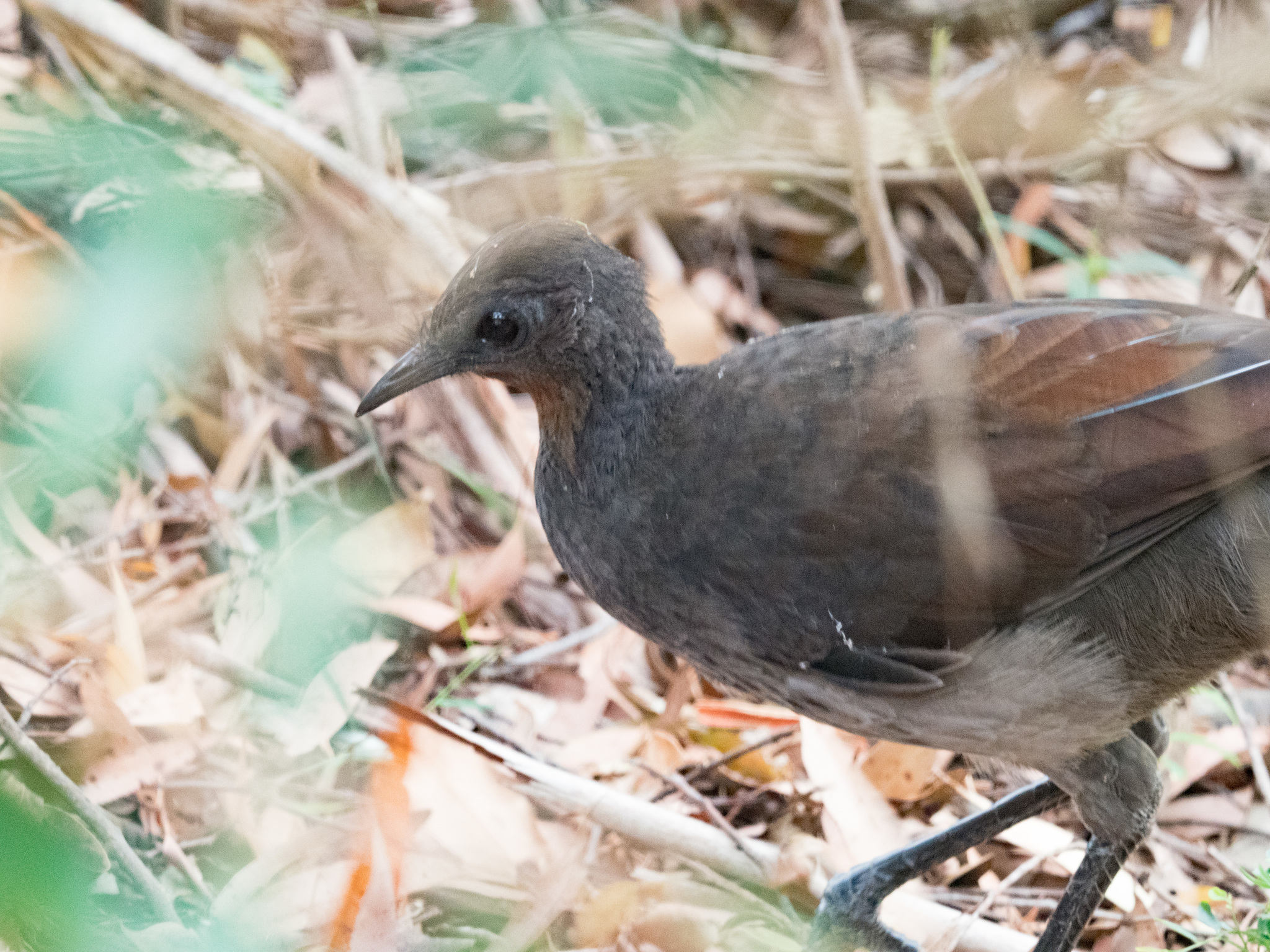
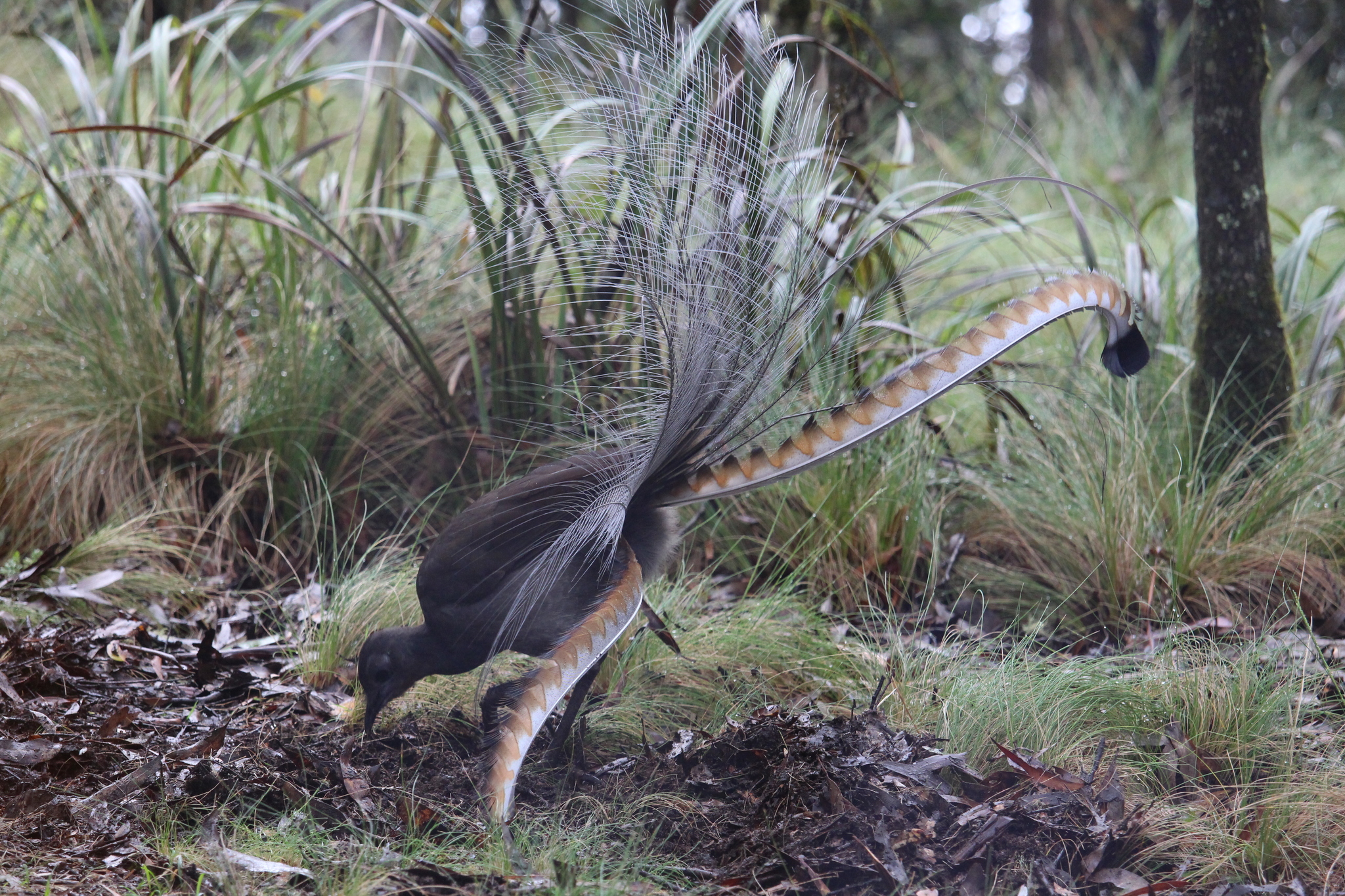
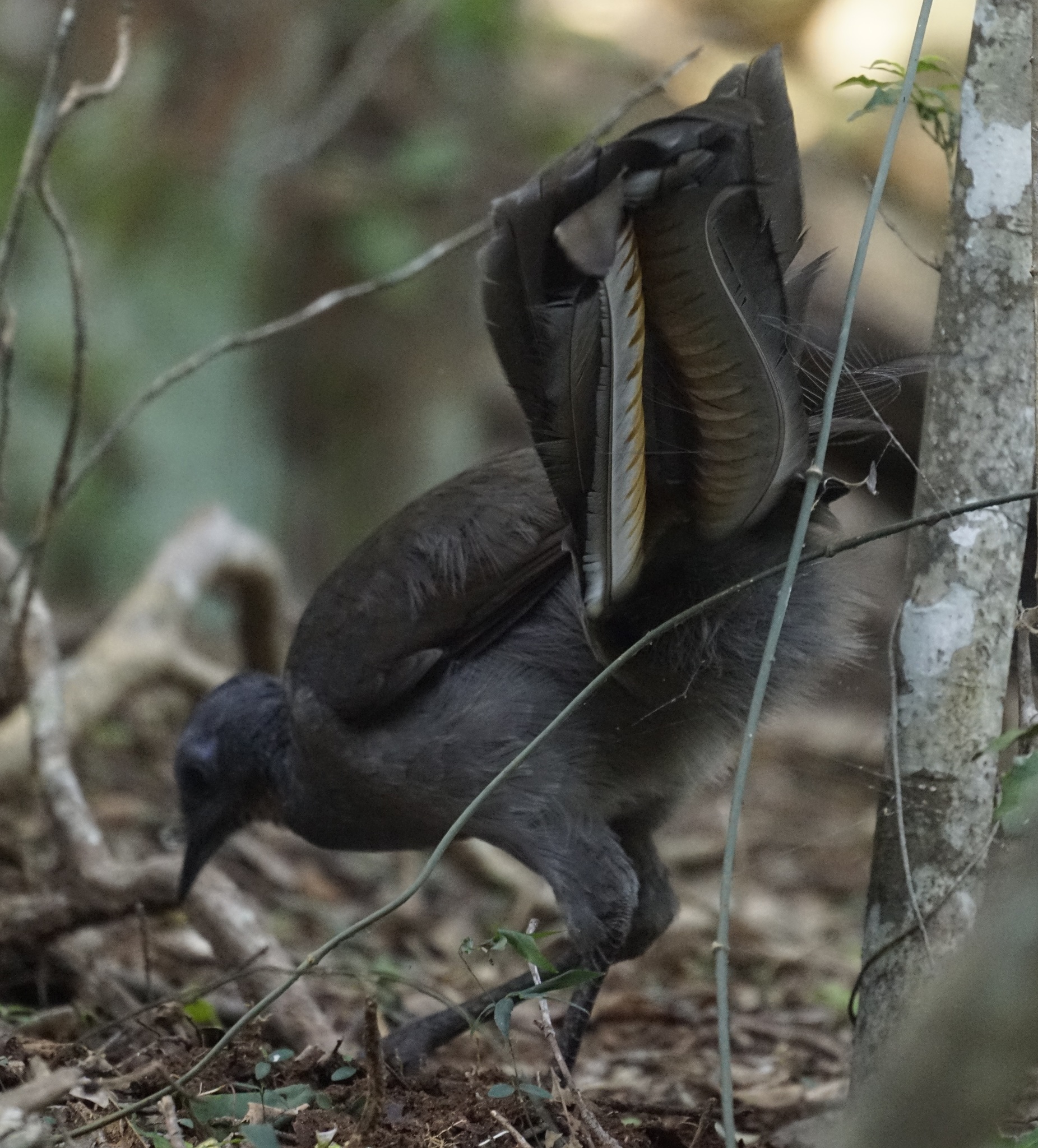
A lyrebird scratching through the leaves is doing more than finding lunch. Raking for insects, lyrebirds turn over about 155 tonnes of leaf litter and soil per hectare each year where conditions suit them. That's about the weight of a blue whale, moved one footful at a time.
And the raking pays it back. A study found lyrebirds "farm" their prey: mixing, turning and airing the litter and soil replenishes the amount and variety of the small creatures they eat. The more it digs, the more there is to find.
Lyrebirds have been at home on the forest floor a long time. A lyrebird relative lived in Queensland, believed to be roughly 17 to 18 million years ago, probably in the undergrowth of ancient tropical rainforest. No one knows how much of Australia's forest floor its kind have shaped since.
The soft, turned earth around it is a garden. You're standing in it.